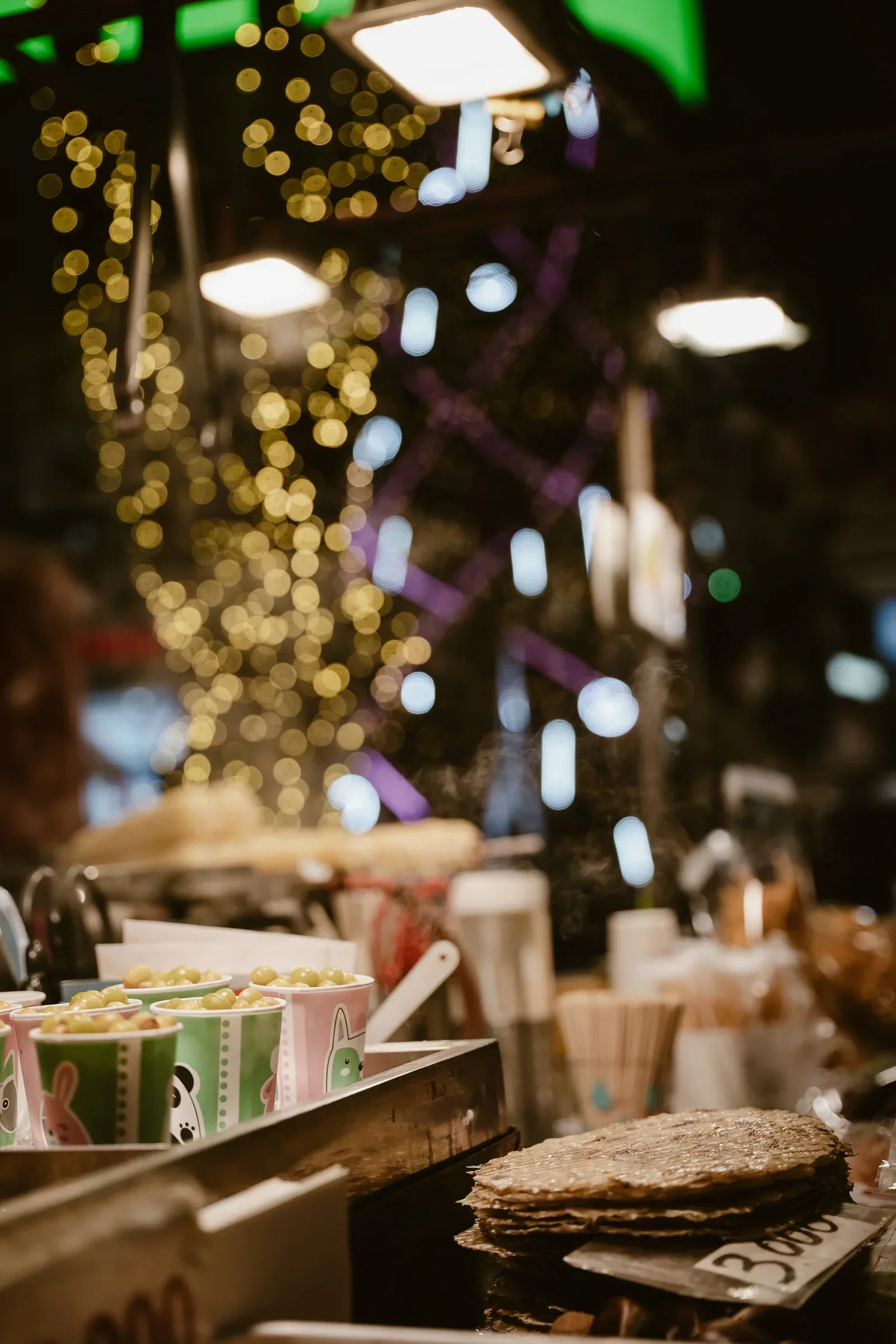
Seoul has always been a city that resists sleep — pojangmacha stalls glowing till midnight, norebang signs blinking long after last call, Han River joggers at 2 a.m. But until now, that energy existed somewhat despite city policy, not because of it. That is changing.
On July 15, 2026, Mayor Oh Se-hoon (오세훈) chaired the first executive meeting of Seoul's ninth popularly elected administration — and the very first item on the agenda was the night economy. Not infrastructure, not housing, not transport. Nightlife as a deliberate urban growth strategy. We found that worth unpacking for anyone planning a trip to the city.
What Is the "Night Economy" Initiative?
The Seoul Metropolitan Government (SMG) is repositioning Seoul's nighttime not as a gap between workdays but as a standalone economic ecosystem — one that links tourism, culture, local commerce, and transport into a single loop. The explicit goal is to keep international visitors (and locals) out and spending longer, channeling that energy into neighborhood commercial districts rather than letting it dissipate after the big landmarks close.
Mayor Oh framed it directly: "The night economy is not simply about supporting neighborhood businesses. It is a new growth strategy that connects culture and tourism with commerce and transportation into a single ecosystem, enriching residents' leisure experiences while boosting urban consumption and vitality."
To move fast, the city is appointing a Night Economy Chief Advisor and assembling a cross-departmental task force spanning seven offices — from the Economic Office to the Tourism & Sports Bureau. A public-private governance council with small business owners and merchant associations will follow in August 2026, and a brand new Seoul Night Economy brand name will be chosen through a public naming contest open to citizens.
Night Economy Coexistence Zones
Seoul already has world-class nighttime landmarks: the Hangang River (한강), Dongdaemun Design Plaza — DDP (동대문 디자인 플라자), and Namsan Mountain (남산). The problem, the city admits, is that these draw huge crowds without generating proportional economic spillover into the surrounding streets.
The solution is "night economy coexistence zones" — designated districts around key nighttime destinations that will receive a bundled support package:
- Incentives for late-night business operations
- Extended outdoor business hours and easier access to publicly accessible open spaces
- Enhanced late-night public transportation connections
- A new Seoul Night Economy Revitalization Ordinance as the legal backbone
Three anchor sites are already on the drawing board:
DDP (동대문 디자인 플라자) — stronger commercial linkages between the landmark building and its surrounding Dongdaemun market district, so visitors flow naturally from the architecture into the shops and eateries.
Seoul Arena — the new large-scale concert venue scheduled to open in 2027 will be surrounded by accommodation and commercial development designed specifically for pre- and post-show extended stays. For K-pop fans, this is significant.
Hangang & Seoul Mulbitnaru (서울 물빛나루) — restrictions on nighttime use of the riverbanks will be eased, letting these waterfronts evolve into genuine around-the-clock hubs.
Seoul Moonlight Yajang (서울 달빛 야장)
This is the initiative most immediately visible to travelers. Yajang (야장) — outdoor terrace dining, the Korean cousin of the European summer terrace — has been spreading rapidly among younger Seoulites, particularly in areas like Jongno 3-ga (종로3가) and Euljiro (을지로). The vibe is real: low tables, cold beer, grilled meat smoke drifting past century-old alley walls. But it has existed in a legal grey zone, generating friction over noise, litter, and pavement obstruction.
Seoul's answer is to formalize and expand it under the Seoul Moonlight Yajang (서울 달빛 야장) brand:
- 2026: Pilot five flagship Moonlight Yajang locations meeting strict hygiene and safety standards
- 2028: Expand to a total of 25 locations citywide
Each site will operate under revised local ordinances that legally permit sidewalk occupancy, with standardized guidelines covering pavement width, operating hours, and sanitation. Businesses will be required to sign Coexistence Agreements with local residents — voluntary codes of conduct setting noise limits and fixed closing times — and will risk losing their designation if they breach them. A portion of revenue will feed a Coexistence Fund for environmental reinvestment in each neighborhood.
For travelers, the practical takeaway is straightforward: by 2027–2028, Seoul will have a network of sanctioned, well-managed outdoor dining areas that are safe, clean, and officially part of the city's offer — not just tolerated informally.
Longer Hours at Palaces, Museums & Parks
Beyond the commercial angle, the initiative also targets cultural facilities. Museums, art museums, and historic palaces will expand their nighttime hours. The city is exploring integrated arts programs connecting cultural venues around Gwanghwamun (광화문) for international visitors.
Two headline experiences in development:
- Night Sauna at Hangang Park — a distinctly Korean outdoor experience on the riverbank after dark
- Winter Sleeping Contest at DDP — unconventional, very Seoul, and exactly the kind of "only here" moment the city is trying to manufacture
Late-Night Transport
A night economy only works if people can get home. Seoul is expanding its late-night bus network and accelerating the deployment of autonomous buses and taxis for after-dark mobility. The Seoul Guardians citizen safety patrol program will also be strengthened alongside community night patrols.
What This Means If You're Visiting Seoul
The initiative is rolling out in stages through 2028, so the full picture won't be visible on a 2026 trip. But some changes — extended museum hours, the first five Yajang pilot sites, the new DDP commercial linkages — are already in motion. If you're planning an evening around Dongdaemun, Jongno, or the Han River, the experience is actively being redesigned to be longer, richer, and more connected.
Seoul was already one of Asia's great night cities. It is now officially trying to become the best.
Source: Seoul Metropolitan Government official announcement, July 15, 2026.
See Seoul from where it truly breathes — the banks of the Han River. A walk through history, skyline views, and unexpected beauty.
Stroll Through Seoul’s Heart: Skip the traffic jams and parking hassles! Experience the vibrant history and modernity of Insadong, Jogyesa, and royal palaces with the freedom of the open sky above you.
So, you only have 24 hours in Seoul? Feeling overwhelmed by your choices and not sure how to structure your one day in Seoul itinerary? We understand, it's a big city, and there are so many places to explore. But you're in luck because here we are, "INTE TOUR" company, to share our itinerary for an unforgettable day in Seoul. The best part is that the itinerary can be fully customized according to your personal interests. Alright, let's go, let's start our own adventure in Seoul!