The airport → hotel transfer is included (driver, no guide). The driver will meet you in the arrivals hall with a name sign. Guests on nearby flights ride together, so there may be a short wait. Arriving before the tour starts? The transfer moves to your arrival day at no extra charge.
Fixed-date group tour
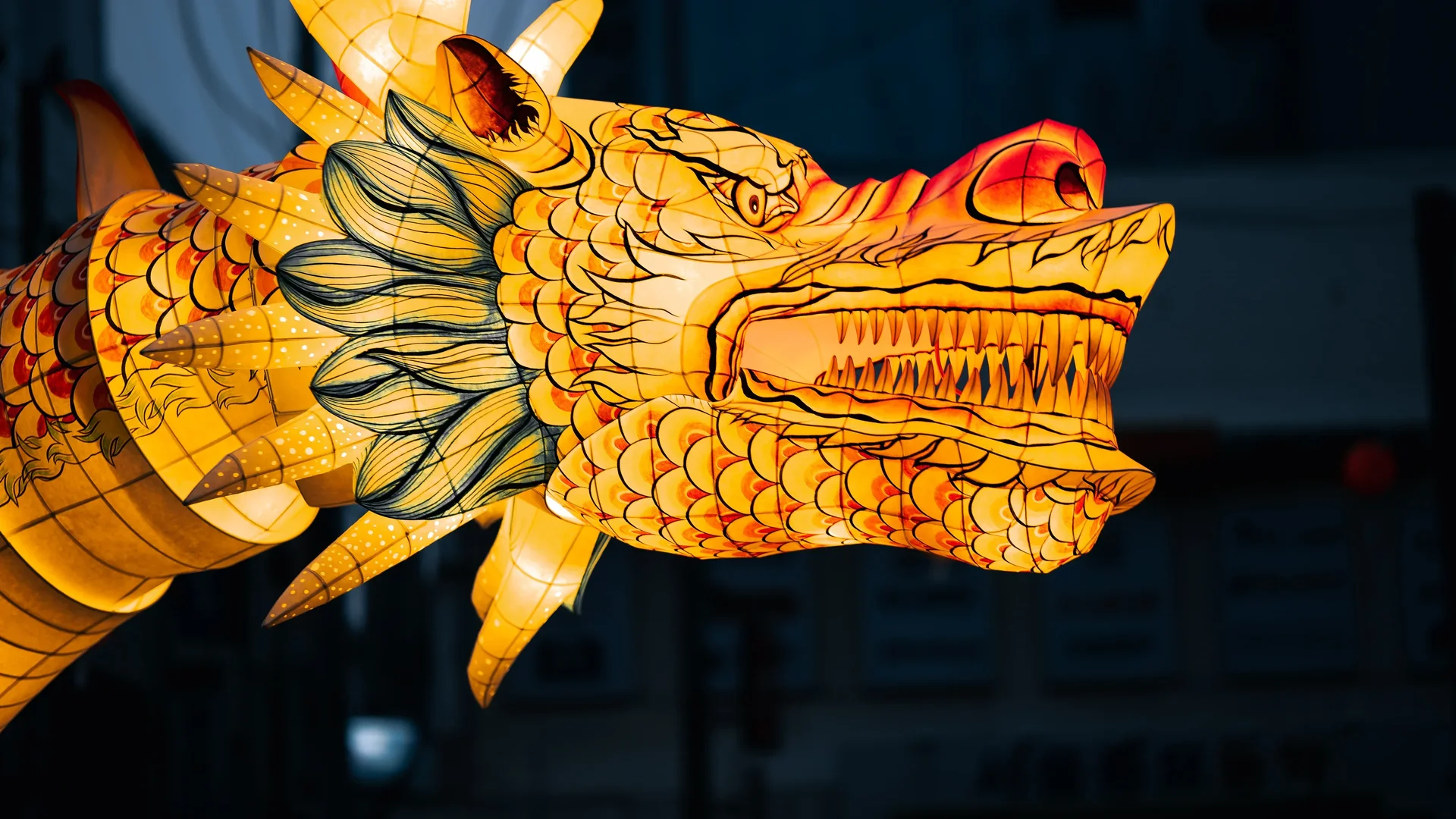
Buddha's Birthday and East Coast
Be part of Korea’s iconic Buddhist celebration — with full support and zero hassle.
event May 10 – May 17, 2026schedule 8 days / 7 nightsplace Seoul • Pyongchang-gun • Gyeongju • Busan
From$1,950.00per person
map
5 days
Sightseeing
directions_walk
Moderate
Fitness level
event_available
20 days
Free cancellation
groups
up to 23
Group size
Photographs
What it looks like
Features
Why this tour
- Licensed Guide OnlyYour excursions are led by licensed guides with a strong knowledge of Korean history, culture and local context. Instead of a list of dates and names, you gain a clear, engaging story that connects the places on your route with Korea’s past and present.
Day by day
Your itinerary, day by day
sports_scoreTour Starts: Sun, May 10, 26
- subject
You are welcome to arrive in Korea before the official start of the program. Upon request, we can assist with booking extra nights at the hotel prior to the tour.
weekend Free day - place
Historic Seoul: Palaces, Temples & Old Streets
09:00 · duration, hours: approximately 5
During an entertaining and informative tour, which combines short walks and moving on an ordered vehicle, we will get acquainted with the history and modernity of the capital of South Korea - Seoul. (On Tuesdays, the palace we visit is Changdeokgung, Gyungbokkung on other week days.)
- placeSeoul City Hall
A futuristic glass wave rises above the old City Hall, blending past and future in one bold design.
Powered by nature and home to the world’s largest indoor vertical garden, it’s one of Seoul’s greenest landmarks.
Open to visitors — step inside and see the living wall for yourself. - placeSeoul Anglican CathedralPass-by
In the heart of Seoul stands a hidden architectural gem — a cathedral first envisioned in the 1920s.
A British design, built with Korean devotion, but left unfinished during colonial rule. Then came the miracle: in 1993, the original blueprints were found in an English library.
Finally completed in 1996, the cathedral now stands in its full, intended glory — a story of faith, time, and perseverance. - placeCheonggyechon Stream
A blend of nature and urban design, this stream winds through downtown Seoul — though entirely man-made today.
Once a natural river, it was buried after the Korean War and revived in 2005 as a tranquil walkway.
Fountains, illuminated bridges, and the Palgakdam weir make it one of the city’s most beloved evening spots. - placeGreat King Sejong Avenue and the Gwanghwamun Square EnsemblePass-by
The complex of the central Gwanghwamun Square in front of the Gyeongbokgung Royal Palace, which is the compositional center of the capital of Korea, offers amazing views of Seoul: on one side is the main residence of the kings of the Joseon state (now a museum). But along the Sejong-daero Avenue, departing from the square, there are high-rise modern buildings: government, embassies, Kyobo - the largest bookstore in Korea. Further down the avenue we can see the Seoul City Hall and still further - the Great South Gate of Namdaemun (National Treasure No. 1).
- placeGyeongbokgung Palace
The main palace of the Joseon dynasty — rebuilt more than once, but never lost its grandeur.
Its perfect symmetry, royal guard ceremony, and the chance to wear a hanbok turn your visit into a journey through time.
- placeSamchong-dong/Bukchon
Winding lanes, wooden hanoks, hidden cafés — this is where time slows down.
Samcheong-dong charms with its hills and galleries, while Bukchon preserves the everyday beauty of Joseon-era homes.
Together, they offer a quiet, romantic escape — a walk through history lined with soft light and gentle stories. - placeInsadong. Traditional teahouses, souvenirs, boutiques, galleries...
Insadong is famous for the abundance of souvenir shops, traditional restaurants and tea houses, boutiques.
Insadong-kil Pedestrian Street is the central street of the area.
Often you can see street performances - traditional Korean samul-nori percussion quartet or martial arts tekkyon, taekwon-do or performances of youth groups in the fusion style, etc.
- placeJogyesa Temple
In the heart of Seoul stands Jogyesa — the head temple of Korea’s largest Buddhist order.
Small in scale but rich in atmosphere, it changes with the seasons: lotus lanterns in spring, bright chrysanthemums in fall, and peaceful stillness in winter.
No matter the time of year, it’s a place of quiet reflection. - placeJongno Avenue and Posingak Bell PavilionPass-by
One of the central streets of Seoul, Jongno (literally "Bell Avenue") is named after the pavilion of the same name, which houses the main bell of the country. It is this bell that the best people of the country beat on New Year's Eve.
However, even mere mortals can hit it for good luck: at 12:00 noon, the pavilion is usually opened for visitors. However, a limited number of guests are allowed. - placeMyungdong
A bustling hub of shopping, street food, and K-beauty.
Amid the trendsetting stores stands Korea’s main Catholic cathedral — a striking symbol of faith and history.
Style meets soul in this lively part of Seoul.
- placeSeoul City Hall
- subject
Check out of your hotel and head to Seoraksan National Park. But first stop is a beautiful private garden about 1.5 hours from Seoul.
placeThe Garden of Morning Calm
08:30 · duration, hours: approximately 2
The beauty of Korean nature and the beauty of human hands awaits us today in the unique private Garden of Morning Calm...
- placeThe Garden of Morning Calm
Garden of Morning Calm was founded by Mr. Han Sangkyeon in 1996. This private garden is rightfully recognized as one of the most beautiful in South Korea. The name comes from the poetic name of Korea - "Land of the Morning Calm". The founder and his team tried to introduce the natural beauty of Korea, the oriental mystique and the spirit of the Korean people to visitors.
The design of the garden focuses on curved lines, space, balance and asymmetry, unique natural beauty, classic elegance and the uniqueness of Korea.
During each of the four seasons - winter, spring, summer, autumn - you will find in the garden echoes of a particular "theme" of that season...
placelunch (Korean style)
12:30 · duration, hours: approximately 1
placeSeorak National Park
14:00 · duration, hours: approximately 6
Seoraksan National Park (literally "Snowy Peaks") is considered the most beautiful national park in South Korea. In 1982, the park was included in the list of "Most Important Natural Heritage Sites by UNESCO".
The area of the park is 373 square kilometers, the park is located in the province of Gangwon-do.
- placeSeoraksan National Park: cable car, Sinheung-sa, Swaying rock
There is a gondola in the park, which we will use to get almost to the top of one of the peaks of Seoraksan, on which the ruins of the ancient Kwonggeum Fortress (lit., "Kwon Geum Fortress") are located. We get to the peak on foot - it's about 20-30 minutes. From this peak, a magnificent panorama of the East Sea, the resort town of Sokcho and the mountain range of the park opens.
Not far from the lower gondola station is Sineungsa Temple (originally built in the 6th century, but later rebuilt many times). The temple complex includes a statue of the Buddha of Unification (Thonil Buddha), the name of which reflects the desire of Koreans to unite the country.
A picturesque route leads us to Hyndyl Pawi ("swinging rock"). A huge rock will sway at the touch of one person.
Optional, if everybody is in: hiking to the top of Mount Ulsan Pawi; you will have to strain a little - the height of the rock is 873 m.
- placeThe Garden of Morning Calm
- subject
Check out from the hotel at 9:00. Today during the excursion we will have a traditional Korean lunch.
placeHwanseon Cave & Haesindang Park: Samcheok's Two Wonders
10:00 · duration, hours: approximately 8
A beautiful park, spread out on the shores of the East Sea, with its own "zest" - entertainment for adults only. But the largest karst cave in South Korea is an attraction available to all ages.
- placeHwanseon Cave
The cave, located in the heart of the "spine" of Korea - Taebaek, impresses with its size. Even is remenicent of the "Palace of the Mountain King." and, by the way, lighted accordingly!
The total length of the passages of the cave - 6.5 km. The cave is situated at an altitude of approx. 800 m. above the sea level.
- placeHaesindang Park
The park and sanctuary of the goddess who patronizes fishermen - Hesindan - is amazing: according to legend, it was the images of the phalluses that propitiated the spirit of a virgin who for a long time did not give rest to the surrounding fishermen, and later became their patroness.
placelunch (Korean style)
13:00 · duration, hours: approximately 1
subjectContinuation of the excursion, then transfer to Gyeongju, check-in at the hotel
- placeHwanseon Cave
- place
Yangdong Village: UNESCO-Listed Joseon Folk Village
09:00 · duration, hours: approximately 3
В Корее не так много осталось деревень с крытыми соломой крышами. Говорят, президент Пак Чонхи, правление которого связывают со стремительным ростом экономики Южной Кореи, испытывал личную острую неприязнь к соломенным крышам - они у него ассоциировались с бедностью. Тем удивительнее, что рядом с крупнейшим промышленным центром Кореи, возникшим как раз в правление Пак Чонхи, городом Похан, сохранилась деревня, в которой большинство домов - крыты соломой; другая часть домов - черепицей (президент Пак предпочитал металлическое, более современное, покрытие).
Живописно раскинувшаяся на склонах холмов деревня Яндон практически сохранила свой первозданный вид, именно поэтому в 2010 году она вошла во Всемирное наследие ЮНЕСКО вместе с другой знаменитой корейской деревней - Хахве, что в уезде Андон. Очарованием Яндон пленяются многие, например, принц Чарльз из Англии побывал здесь аж в 1992 г., указывает сайт Министерства иностранных дел Республики Корея.
Отличительной особенностью деревень второй половины эпохи Чосон (начиная с 17 века) является наличие 1-2 фамилий на всю деревню. В Яндон таких фамилий две - Сон из Вольсона и И из Йогана.
Об этой и других особенностях сельской жизни эпохи Чосон мы и поговорим с вами во время незабываемой прогулки по Яндон. И обязательно отдельно остановимся на фэншуе (пхунсу)!
- placeYangdong Traditional Village
Живописно раскинувшаяся на склонах холмов дервеня Яндон практически сохранила свой первозданный вид, именно поэтому в 2010 году она вошла во Всемирное наследие ЮНЕСКО вместе с другой знаменитой корейской дервней - Хахве, что в уезде Андон. Очарованием Яндон пленяются многие, например, принц Чарльз из Англии побывал здесь аж в 1992 г., указывает сайт Министерства иностранных дел Республики Корея.
placeGyeongju: Ancient Silla Capital & UNESCO Heritage
13:00 · duration, hours: approximately 8
The city of Gyeongju, the ancient capital of the Korean state of Silla, is famous for its monuments included in the UNESCO world heritage: burial mounds, ancient Buddhist monasteries, and the artificial grotto Seokguram.
Gyeongju is also a unique national park. Korea's only historical national park!
Attention! If the tour ends before dusk, we visit the National Museum of Gyeongju instead of the Eastern Palace.
- placeSeokguram
The Buddha statue in this small temple in an artificial grotto is considered the most elegant in All of Korea! The grotto is located on the slope of Mount Tkhohamsan, where the winding serpentine of the mountain road leads.
The walk to the temple through the mountain forest from the parking lot takes about 15-20 minutes; depending on the weather, either a mysterious foggy landscape awaits us (fogs are not uncommon on this mountain), or breathtaking bird's-eye views of the thousand-year-old Gyeongju.
In the grotto, which is formally the hermitage of the Bulguksa temple, located below the slope, the dominant position is occupied by the above-mentioned statue of Buddha, sitting in a lotus position on a pedestal in the shape of a lotus. Around it at different heights are bas-reliefs and statues of bodhisattvas, arhats, Indra and Brahma, the Four Heavenly Kings.
If the group agrees, we can go down the mountainside to the temple of Bulguksa. - placeBulguksa
The main Buddhist temple of United Silla, it is now a place of pilgrimage for many guests of Korea.
The temple was built in 774 under the leadership of the premier of the state of Silla, Kim Taesong. Legend has it that Bulguksa was dedicated to the parents of the current, so to speak, Kim Taesong. While Seokguram, the temple-hermitage under Bulguksa, was intended for Kim Taesung's parents from his previous incarnations.
In 1995, Bulguksa and Seokguram were inscribed on the UNESCO World Heritage List.
- placeCheomseongdae Ancient Observatory
Cheomseongdae is one of the oldest observatories in the world (7th century). The tower of the observatory is full of symbolism: the total number of hewn stones from which it is built; the number of rows of these stones before and above the small window, the shape of the stones... The thoughtful builders of Silla paid attention to everything.
Cheomseongdae was built under the reigning Queen Seondok - one of three in the history of Silla. The queen ended up in a drama that, of course, was filmed in Gyeongju.
- placeHeavenly Horse Mound
The only mound which inner parts are open to the public (though filled with replicas, it shows the inner construction of a Shilla mound)
- placeBunhwangsa
The main state Gyeongju temple from the Silla period, the "Temple of the Yellow Dragon", Hwanyeongsa, has not survived; however, we still have a unique opportunity to get acquainted with the pagoda of a hermitage temple of Hwanyeongsa. The hermitage temple is called Bunhwangsa.
The peculiarity of the pagoda of Bunhwangsa is that it is built of stones, hewn in such a way that they resemble bricks in shape. What can you not do if you are not familiar with the technology (brick production, in this case)!
- placeDonggung Palace and Wolji Pond
Though made anew, it is a nice and quite picturesque place, especially at night.
subjecttransfer to Busan approx. 1.5 hours; check-in at the hotel
- placeYangdong Traditional Village
- place
Busan: War Refugees to Vibrant City
09:00 · duration, hours: approximately 5
Korean War (1950-1953). Busan is South Korea's last hope. Streams of refugees from all parts of the country are trying to settle in the city; slums, famine, barter with foreigners in the markets - these are the realities of military Pusan. During the tour, you will get acquainted with the relics of the war, ennobled by the efforts of local residents and turned into attractive bustling neighborhoods of central Busan.
- placeGamcheon Culture Village
A very picturesque district in Busan, which was originally founded by some refugees during the Korean War.
- placeJagalchi Fish Market
The largest seafood market in Korea, where you can see all kinds of marine creatures, both from the plant and animal worlds (and from the border worlds too!).
You can also eat deliciously at the market: fried or raw fish, as well as seafood, is served at the table in numerous restaurants in the market.
If you prefer something less exotic, we recommend the food court at the Lotte department store next door. The observation deck at the department store offers a magnificent view of Busan from a bird's eye view.
- placeKukje Sijang (International Market)Pass-by
Once - a place of barter between Koreans and foreigners, now it is a busy shopping area, quite civilized.
This market owes its origin to the Korean War.
- placeUnited Nations Memorial Cemetery
This is the only such kind of cemetery in the world. During the Korean War UN forces sided with the Republic of Korea. They consisted of not only the US forces as it is sometimes thought. Many of those foreign nationals who died during the war are buried in this cemetery.
- placeBusan Cinema Center & Shinseygey Sentum Department StorePass-by
Sinsege Sentum department store got into the Guinness Book of Records. This is the world's largest department store.
Nearby is another Guinness record: the world's largest cantilever roof. It belongs to the Busan Cinerma Center building.
- placeGwangan BridgePass-by
A picturesque 2-storey bridge over the sea in Busan is one of its most exquisite landmarks.
- placeHaeundae Beach; Camellia Island
Most popular beach in Busan and a vivid resort district.
- placeGamcheon Culture Village
- subject
If you prefer, you can choose a KTX high-speed train transfer for USD 50 per person.
The train offers a faster and more comfortable journey, but please note that you’ll need to carry your own luggage and make your own way to and from the train station.person_removeTransfer without guide Busan-Seoul
09:00
subjectOn this day, Seoul hosts a grand Lotus Lantern Parade dedicated to Buddha's birthday.
The parade starts at 7:00 PM from Dongdaemun Gate. The procession moves along Bell Street (Jongno) and ends near Jogyesa Temple.
Those who wish can join the PARADE participants.
To do this, you must: register in advance with the Bongeunsa Temple column. Pay the cost of the subway fare and guide services ($20 per person). At 2:30 PM, depart from the hotel with the guide. At 4:00 PM, a festive concert begins at Bongeunsa Temple in the Gangnam area, along with a tea ceremony for foreign participants. Afterward, we board a bus provided by the temple, which will take us to the starting point of the parade. We join the parade participants (lanterns are provided). After the parade ends, we return to the hotel.
The program is subject to change.
- weekend Free daysubject
The hotel → airport transfer is included (driver, no guide). The driver will pick you up in the hotel lobby. Leaving later? The transfer moves to your departure day at no extra charge.
subjectYou are welcome to extend your stay in Korea beyond the official end of the program. Upon request, we can assist with booking extra nights at the hotel after the tour.
sports_scoreTour Ends: Sun, May 17, 26
Practicalities
What is included
Included
- transfers as in daily schedule
- breakfasts, if selected accommodation with breakfasts (BB)
- accommodation in accordance with your selection
- excursions as in daily schedule
Not included
- personal expenses and all other expenses not specified explicitly in the program
- Tip for the guide and driver
nights_stay Arrive earlier or stay longer
- Seoul: up to 2 nights before the tour
Extra nights at the tour hotel, no hotel change. The included airport transfer moves to your arrival or departure day at no extra charge. Choose them when booking.
Final room configuration is at hotel discretion; equivalent room types may be substituted without prior notice. Sleeping capacity is guaranteed; specific bed configuration is not.
Other dates
The same tour on another week
May 2027
Another departure may differ slightly from this one. The exact itinerary is shown on that departure's page.
This itinerary can also run privately — on dates that suit you, with your own guide and at your own pace.
Where you go
Your route through Korea
Good to know
Frequently asked questions
How much money should I exchange for daily expenses in South Korea?
keyboard_arrow_down
For meals, budget around $20 per meal for lunch or dinner in a mid-range restaurant. For other daily expenses like transportation, shopping, and entrance fees to attractions, the amount will vary depending on your plans. It’s advisable to have some extra cash for unexpected expenses.
What currency should I take with me?
keyboard_arrow_down
In Korea, you can exchange major world currencies (US dollars, yuan, yen, euro) at exchange offices and banks.
In addition, the vast majority of sellers (including market traders) accept Visa and Master Card credit cards.
Union Pay does not work everywhere!
Of course, Korean won is accepted everywhere too!
Of course, Korean won is accepted almost everywhere too!
"Almost": recently cafes and other establishments have appeared, for example, the Busan Aquarium, where payment can only be made by credit card.
Where should I exchange currency in South Korea?
keyboard_arrow_down
For convenience, we recommend exchanging your currency in Seoul or immediately upon arrival at the airport. Even in Busan, where there are also currency exchange offices, searching for an exchanger can take up extra time that you could spend on more useful activities.
Is all Korean food spicy?
keyboard_arrow_down
In Korean cuisine, there are both spicy and non-spicy dishes. If you prefer non-spicy food, try, for example, kalguksu — homemade noodle soup, or samgyetang — chicken soup with rice and ginseng, or galbitang — a rich beef rib soup.
What to do with unused Korean currency?
keyboard_arrow_down
At the airport upon departure, you can exchange Korean won KRW for most world currencies.